
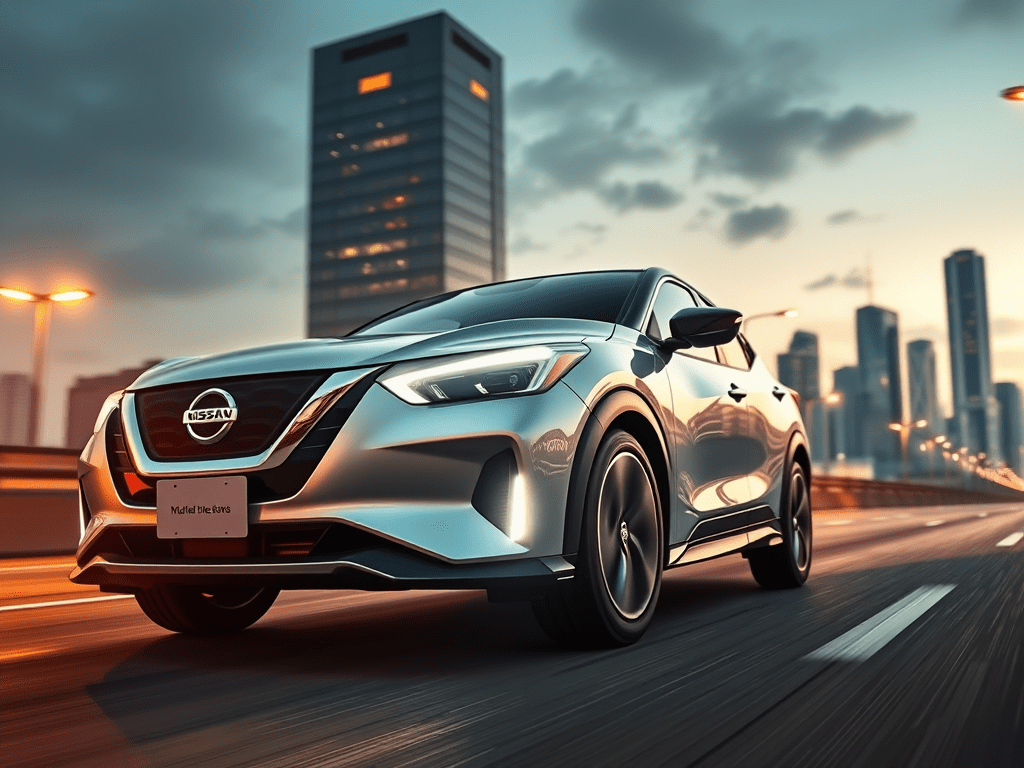
On March 11, 2025, Nissan Motor Co. announced a pivotal leadership change, appointing Ivan Espinosa as its new CEO, effective April 1, succeeding Makoto Uchida. This shift comes at a critical juncture for the Japanese automaker, which has been grappling with financial turmoil, declining sales, and a recently collapsed merger with Honda Motor Co. As Espinosa, a 46-year-old Nissan veteran and self-described “real car guy,” steps into the role, the automotive world is watching closely to see how he will steer Nissan through its current challenges and what this means for its relationship with Honda moving forward.
A Tumultuous Backdrop
Nissan’s appointment of Espinosa follows a turbulent period under Uchida’s five-year tenure. Uchida, who took the helm in 2019 after the Carlos Ghosn scandal, initially guided Nissan through a recovery in 2022 and 2023. However, 2024 painted a starkly different picture: sales plummeted, financial losses mounted, and a restructuring plan—featuring 9,000 job cuts and a 20% reduction in global production capacity—failed to restore investor confidence. The collapse of merger talks with Honda in February 2025, intended to create the world’s third-largest automotive group, was the final blow to Uchida’s leadership credibility. Nissan’s credit rating has slipped to junk status, and a wave of debt looms in 2026, intensifying the pressure on the incoming CEO.
Espinosa inherits a company in crisis but brings a wealth of experience. As Chief Product Planning Officer since April 2024, he has overseen global product strategy and motorsports, roles that underscore his deep understanding of Nissan’s operational DNA. With over two decades at the company, including stints in Southeast Asia and Mexico, Espinosa is seen as an insider capable of navigating Nissan’s complex challenges. Yet, the question remains: can he turn the tide, and what does this mean for Nissan’s future alongside Honda?
The Failed Merger and Its Fallout
The Nissan-Honda merger, once poised to create a $58 billion automotive titan, unraveled over a power struggle. Initially, the plan involved a joint holding company, but Honda’s push to make Nissan a subsidiary clashed with Nissan’s vision of equality. The breakdown, announced last month, exposed Nissan’s vulnerabilities—its weaker financial position and stagnant turnaround progress made it an unappealing partner for Honda, which remains in a stronger competitive stance.
For Nissan, the merger’s collapse is a double-edged sword. It avoids subordination to Honda but leaves the company isolated in a fiercely competitive industry, particularly as electrification and global trade uncertainties—like U.S. President Donald Trump’s proposed tariffs on Japanese imports—loom large. Honda, meanwhile, emerges relatively unscathed, free to pursue alternative strategies or partnerships without Nissan’s baggage. Industry analysts speculate that Honda may now focus on bolstering its electric vehicle (EV) lineup independently or seek alliances elsewhere, potentially with players less burdened by debt and restructuring woes.
Espinosa’s Roadmap: Stabilization or Bold Moves?
Espinosa’s immediate task is clear: stabilize Nissan. During a virtual press conference on March 11, he expressed optimism about the company’s untapped potential, pledging to restore “stability and growth.” However, he offered no specifics on resuming merger talks with Honda, leaving that door ambiguously ajar. His track record in product planning suggests a focus on revitalizing Nissan’s aging portfolio—models like the Nissan Leaf have lagged behind competitors in the EV race, and mismatched rollouts have alienated key markets like the U.S., Nissan’s largest.
The restructuring Uchida initiated, including slashing 400 billion yen ($2.7 billion) in annual costs, will likely continue under Espinosa, though with potential refinements. Asset sales, yet to be fully detailed, could provide a lifeline to manage the 2026 debt wave. However, as a Nissan stalwart since 2003, Espinosa faces skepticism about whether he can bring the fresh perspective needed for a bolder turnaround. Analysts note that his insider status might limit radical shifts, such as divesting unprofitable segments or aggressively pursuing new EV technologies to rival Tesla or Toyota.
Nissan and Honda: A Future Together or Apart?
The leadership change could theoretically reopen dialogue with Honda, but significant hurdles remain. Honda’s earlier concerns—Nissan’s lack of turnaround progress—persist, and Espinosa must first prove he can right the ship. Nissan’s alliance with Renault, a complicating factor in the failed merger due to Renault’s board influence, adds another layer of difficulty. Jean-Dominique Senard, Renault’s chair and a Nissan board member, previously signaled discomfort with Honda’s terms, suggesting any renewed talks would require delicate negotiation.
Alternatively, Espinosa might explore other partnerships. Nissan’s restructuring could make it a more attractive target for investment from cash-rich automakers or tech firms eyeing the EV market. However, with its $10 billion valuation dwarfed by competitors and a junk credit rating, Nissan’s bargaining power is limited. Honda, for its part, may opt to double down on its own strengths—its hybrid and EV offerings are more competitive—leaving Nissan to fend for itself unless Espinosa delivers rapid results.
What Lies Ahead?
Nissan’s trajectory under Espinosa hinges on execution. If he can streamline operations, refresh the product lineup, and stabilize finances, Nissan might regain its footing as a standalone player, albeit a diminished one compared to its pre-Ghosn heyday. A successful turnaround could even entice Honda back to the table, though this seems a long shot given recent history. Conversely, failure to stem losses or innovate could push Nissan toward bankruptcy rumors that have swirled since the merger’s collapse—or force a fire sale to a rival.
For Honda, the Nissan saga is a cautionary tale but not a crisis. It can afford to watch from the sidelines, leveraging its stronger position to adapt to industry shifts like electrification and autonomous driving. The broader Japanese automotive sector, however, may feel ripples if Nissan falters further, potentially spurring consolidation pressures among smaller players.
As of March 11, 2025, Nissan stands at a crossroads. Ivan Espinosa’s tenure begins with a daunting to-do list, but his deep roots in the company and passion for cars offer a glimmer of hope. Whether he can transform Nissan into a leaner, more competitive force—or merely delay an inevitable decline—will shape not just Nissan’s fate, but the dynamics of Japan’s automotive landscape for years to come.



 Tech Gadget Hub
Leave a comment